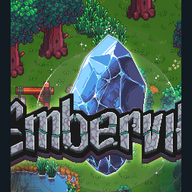
Emberville Pixel Art: Why This Stunning RPG Aesthetic is Defining the Modern Gaming Landscape
Dive into the mesmerizing world of Emberville pixel art, exploring the design systems, aesthetic impact, and why this RPG is turning heads in 2026.
The Rise of Emberville Pixel Art in Modern RPGs
The gaming industry is currently witnessing a renaissance of visual storytelling, and the breathtaking Emberville pixel art serves as the vanguard of this movement. By blending nostalgic sensibilities with high-fidelity technical execution, the developers have created an immersive experience that keeps players guessing at every turn. Understanding the impact of Emberville pixel art is essential for any enthusiast looking to appreciate how modern indie titles are balancing artistic integrity with complex, systemic gameplay mechanics.
Why Visual Systems Matter in RPG Design
In the realm of role-playing games, the visual system is more than just a skin; it is the interface through which the narrative breathes. The artistic direction chosen for a project dictates how players interact with the game world, interpret environmental cues, and form emotional connections with characters.
When developers prioritize a cohesive aesthetic, such as the specific style found in this title, they establish a "visual language." This allows players to intuitively understand which objects are interactive and which environmental hazards require caution, all without relying on intrusive UI elements.
The Technical Mastery Behind the Aesthetic
Achieving a high-quality visual standard requires more than just drawing sprites. The team behind the game has utilized a sophisticated layering system to ensure that the depth of the world feels tangible. Unlike early 8-bit titles, modern iterations utilize advanced shader overlays that interact with the pixelated assets in real-time.
Key Technical Pillars
- Dynamic Lighting: Shadows cast by pixel-art objects shift based on time-of-day cycles.
- Parallax Backgrounds: Multi-layered backdrops create a sense of vastness in narrow corridors.
- Particle Effects: Weather and magical effects are rendered with high transparency, contrasting beautifully against the solid pixel blocks.
According to community reports, the way the lighting shifts during pivotal story beats has been a major factor in the game's high engagement rates. Players often note that the environments feel "alive" rather than static, which is a testament to the rigorous technical design underpinning the artwork.
Comparing Pixel Art Styles in Modern RPGs
Not all retro-inspired games are created equal. To understand where this title sits in the current market, it helps to compare the design philosophy of the current industry leaders.
As shown in the table above, the focus on atmospheric depth distinguishes this title from its peers. While other games may focus on frame-rate fluidity or high-definition sprite counts, this game prioritizes the "vibe" and environmental storytelling, which has clearly resonated with the player base.
Actionable Tips for Aspiring Pixel Artists
If you are looking to emulate the success of the visual style seen in the game, consider the following design principles. These steps are derived from common industry practices used by professional studios.
- Limit Your Palette: Don't use every color available. Choose a base palette of 16-32 colors to maintain consistency.
- Focus on Silhouette: If your character's silhouette isn't recognizable, your design is too cluttered.
- Master the Idle Animation: Characters spend 70% of the time in an idle state. Make it count.
- Use Sub-pixel Positioning: This technique allows for smoother movement while keeping the pixel art aesthetic intact.
By following these guidelines, developers can create assets that feel cohesive and professional. For those interested in the official development updates and high-resolution assets, you can check out the official game community page for more technical insights.
Systemic Integration: How Art Affects Strategy
In this RPG, the art is not merely for display; it is a gameplay mechanic. Players often find that they must observe the environment closely to spot subtle visual cues—such as a shift in color intensity—that signal a hidden trap or a secret passage. This integration of visual design into the core game loop is what keeps the experience fresh.
Player Experience: The "Visual Guessing" Game
Community reports frequently highlight the "guessing game" aspect of the world. Because the art is so dense, players are encouraged to:
- Examine walls for slight color variations.
- Track the movement of NPCs to predict scripted events.
- Listen for audio cues that harmonize with the visual environment.
This synergy between the senses is a hallmark of high-tier game design. It forces the player to be present, observant, and engaged with every screen they encounter.
The Future of Retro-Inspired RPGs
Looking ahead, we can expect to see more developers leaning into the "high-fidelity retro" look. As technology advances, the constraints that once defined pixel art (like limited memory or screen resolution) are being removed, allowing artists to create expansive, complex worlds that were previously impossible.
Industry Growth Trends
- 2024: Rise of the "HD-2D" aesthetic.
- 2025: Increased use of AI-assisted texture generation for backgrounds.
- 2026: Shift toward fully dynamic, destructible pixel environments.
The team behind this game is clearly at the forefront of this evolution. By pushing the boundaries of what a 2D engine can handle, they are setting a new standard for how we define "pixel art" in the mid-2020s.
Frequently Asked Questions
What makes Emberville pixel art stand out from other games?
The art style stands out because it utilizes advanced lighting and layering systems that go beyond traditional flat sprites, creating a truly atmospheric experience that rewards player observation.
Is this game suitable for players who prefer modern 3D graphics?
While the game features a retro aesthetic, the lighting, shadows, and deep systemic gameplay often appeal to modern RPG fans who value world-building and narrative depth over raw graphical fidelity.
Where can I find more information about the game's development?
You can find more information, community discussions, and updates regarding the game's mechanics and artistic direction by visiting major gaming media outlets or the official Steam store page.
Does the art style impact the difficulty of the game?
Yes, the visual design is integrated into the difficulty. Players must pay close attention to environmental details and visual cues, which effectively turns the exploration process into a strategic element of the game.
Related Guides
Emberville Discord Guide: Connecting with the Indie RPG Community and Staying Updated
Learn how to join the Emberville Discord, stay updated on the latest indie RPG news, and connect with fellow players in this comprehensive community guide.
Emberville Romance and Social Systems: Everything We Know About Building Bonds in the Vitromotus
Explore the potential for Emberville romance and social mechanics as we dive into the upcoming dungeon-crawling life sim's community-driven features.
Understanding Emberville Stats: A Comprehensive Guide to Tracking Game Performance
Dive deep into Emberville stats to understand how developers track performance, player engagement, and market data for this evolving gaming title.
Understanding the Emberville Engine: Deep Dive Into Gameplay Systems and Combat Mechanics
Explore the core systems and mechanics powering the upcoming title Emberville. Learn how its unique engine shapes combat, crafting, and character progression.